

Zemplén Mountains地形图
点击地图以显示海拔。
Zemplén Mountains
Zemplén Mountains (Hungarian: [ˈzɛmpleːn]) or Tokaj Mountains (Hungarian: [ˈtokɒj]; Hungarian: Zempléni-hegység or Tokaji-hegység) is a mountain range in Hungary. The Zemplén Mountains form part of the Tokaj-Eperjes mountain chain in Hungary, known for their ecological richness and historical significance. Geographically diverse, the region contains distinct landscape areas including peripheral lowlands and isolated higher-altitude interior zones, many of which are protected as part of the Zemplén Landscape Protection Area. The mountains support considerable biodiversity, with recent studies highlighting a significant diversity of flora, mammals such as wolves, lynxes, and rare bat species, as well as unique fish communities including the Carpathian barbel and Carpathian brook lamprey. Historically, the mountains hosted several medieval Pauline monasteries, reflecting the area's longstanding cultural importance. While traditionally dependent on agriculture and forestry, the local economy now increasingly emphasises sustainable tourism, leveraging both the natural and cultural heritage of the region.
关于这张地图

名称:Zemplén Mountains地形图、海拔、地势。
地点:Zemplén Mountains, Great Plain and North, Hungary (48.10356 21.18215 48.58457 21.65171)
平均海拔:206 米
最低海拔:89 米
最高海拔:884 米
其他地形图
点击地图以查看其地形、其海拔和其地势。

Budapest
The wide Danube was always fordable at this point because of a small number of islands in the middle of the river. The city has marked topographical contrasts: Buda is built on the higher river terraces and hills of the western side, while the considerably larger Pest spreads out on a flat and featureless sand…
平均海拔:153 米



Budapest
The wide Danube was always fordable at this point because of a small number of islands in the middle of the river. The city has marked topographical contrasts: Buda is built on the higher river terraces and hills of the western side, while the considerably larger Pest spreads out on a flat and featureless sand…
平均海拔:171 米










Budapest
The wide Danube was always fordable at this point because of a small number of islands in the middle of the river. The city has marked topographical contrasts: Buda is built on the higher river terraces and hills of the western side, while the considerably larger Pest spreads out on a flat and featureless sand…
平均海拔:153 米


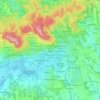
Pécs
Pécs is bordered by plains to the south (elevation 120–130 m), while the Mecsek mountains rise up to elevations of 400–600 meters behind the city. Jakab-hill, located in the western Mecsek, is 592 m (1942 ft) tall, Tubes, straight above Pécs, is 612 m (2008 ft) tall, and Misina is 535 m (1755 ft) tall.…
平均海拔:232 米

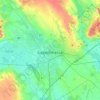
Kecskemét
Kecskemét was established at the meeting point of a large sandy region and a sandy yellow soil; its elevation is 120 m (394 ft) above sea level. The territory west of the city is covered by wind-blown sand, characterised by the almost parallel northern-southern sand dunes and the plain between them. At the…
平均海拔:116 米


Budapest
The wide Danube was always fordable at this point because of a small number of islands in the middle of the river. The city has marked topographical contrasts: Buda is built on the higher river terraces and hills of the western side, while the considerably larger Pest spreads out on a flat and featureless sand…
平均海拔:171 米


Budapest
The wide Danube was always fordable at this point because of a small number of islands in the middle of the river. The city has marked topographical contrasts: Buda is built on the higher river terraces and hills of the western side, while the considerably larger Pest spreads out on a flat and featureless sand…
平均海拔:171 米












Pécs
Pécs is bordered by plains to the south (elevation 120–130 m), while the Mecsek mountains rise up to elevations of 400–600 meters behind the city. Jakab-hill, located in the western Mecsek, is 592 m (1942 ft) tall, Tubes, straight above Pécs, is 612 m (2008 ft) tall, and Misina is 535 m (1755 ft) tall.…
平均海拔:232 米
